
Have you ever been unsure about how often to replace a urine bag (medically known as a drainage bag)? Whether you're a caregiver or the patient yourself, understanding the correct replacement schedule is crucial. This isn't just a routine care task—it's a vital step in preventing infections and ensuring patient comfort and safety. Improper or delayed replacement can lead to bacterial growth, unpleasant odors, retrograde infections, and even compromise the drainage system's functionality. Therefore, establishing a clear replacement schedule is central to safe care.
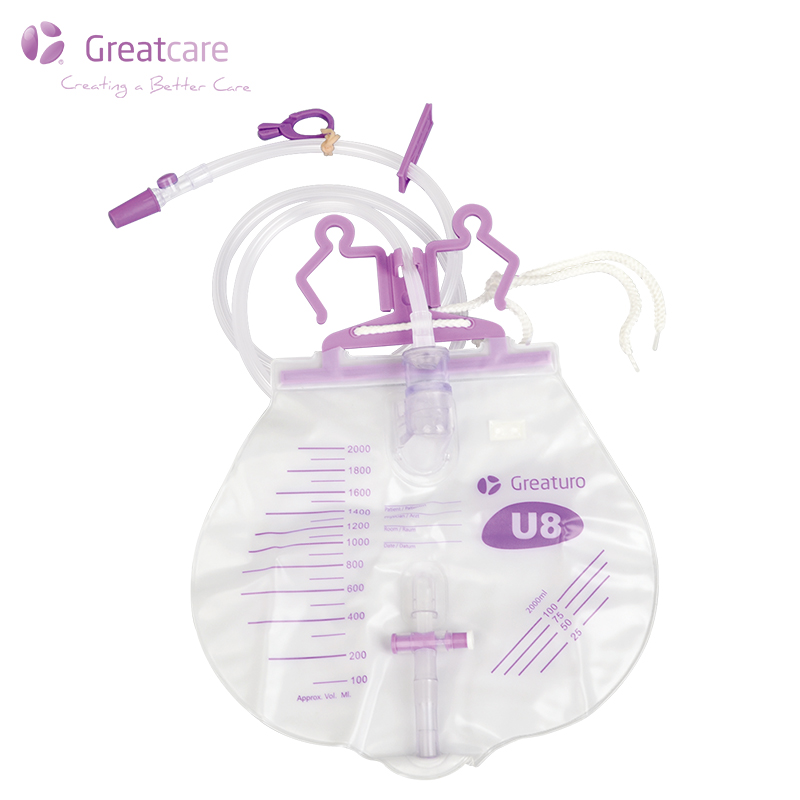
What Key Factors Influence Urine Bag Replacement Frequency?
Replacement frequency isn't fixed and requires consideration of multiple factors:
Medical Orders & Product Instructions: Always follow specific guidance from healthcare providers and the manufacturer's instructions. This forms the basis for a personalized care plan.
Usage Type and Scenario:
Long-term indwelling catheterization: Typically, the entire drainage system (including the urine bag and connecting tubing) should be replaced every 3 to 5 days, or as directed by medical orders. If the urine bag itself is single-use, it should not be reused after disinfection.
Emptying and Cleaning the Urine Bag:
Standard urine bags should be emptied regularly every 3-4 hours to prevent overflow and reflux. Clean the drainage valve during emptying, though this does not replace regular replacement.
Material and Design:
Anti-reflux valve bags reduce infection risk, but replacement frequency must still adhere to fundamental safety principles.
Patient Health Status: Patients with a history of urinary tract infections, compromised immunity, or abnormal urine characteristics (e.g., cloudy, sediment, hematuria) may require more frequent assessment and replacement.
Visual Inspection Principle: Regardless of duration of use, immediately replace the bag if any of the following are observed: damage, leakage, strong odor, crystalline deposits in the tubing, or inability to achieve thorough cleaning.
How to establish a reliable and clear replacement and care plan?
A clear plan facilitates a seamless, safe care process:
Establish a baseline frequency: Confirm the appropriate replacement cycle for the patient's condition with healthcare providers and set this as the baseline.
Daily maintenance is essential: Ensure the urine bag remains below bladder level to prevent urine backflow.
Set up a reminder system: Mark replacement dates on a calendar or set mobile alerts to prevent oversights.
Documentation and Observation: Briefly record the date of each change and observe urine characteristics. Any abnormal changes may signal the need for an early change or medical attention.
Maintain Stock: Keep a supply of new, standard-compliant replacement pouches readily available to ensure immediate changes when needed.
Why is strictly adhering to the replacement schedule critical for safety?
Consider the drainage system as one of the “lifelines” for patient health. Neglecting its regular replacement poses direct risks:
Infection risk surges: Old urine bags develop biofilms on their inner walls, creating breeding grounds for bacteria that may trigger urinary tract infections or even systemic infections.
Functional Failure: Aging or crystalline-clogged tubes may obstruct drainage, causing bladder distension, discomfort, or leakage.
Reduced Accuracy and Safety: Inaccurate measurement scales or leaks compromise precise monitoring of urine output—a vital health indicator.
Increased Caregiver Burden: Sudden issues like ruptures or leaks create unnecessary stress and extra cleanup work.
Treating regular urine bag replacement as an essential, proactive preventive measure—like handwashing—is vital for safeguarding patient safety.
Seek Professional Guidance and Reliable Products
When uncertain about replacement frequency, care procedures, or product selection, always consult your physician, nurse, or certified nursing assistant. Choosing urine bags from reputable brands with safe materials and scientifically designed features (such as anti-reflux mechanisms) adds an extra layer of assurance to daily care.
We hope this guide helps you understand the importance of regular urinary bag replacement and establishes safe, standardized care practices. Adhering to a proper care plan is fundamental to ensuring patient comfort, dignity, and long-term health.
We at Greatcareare committed to providing not just products, but clear information and reliable solutions for every stage of healing. If you’re still unsure which dressing is ideal for your specific situation, or if you need detailed specifications for our product lines, we are here to help. Contact us today with your questions—let our expertise guide you to the right choice for faster, safer healing.


