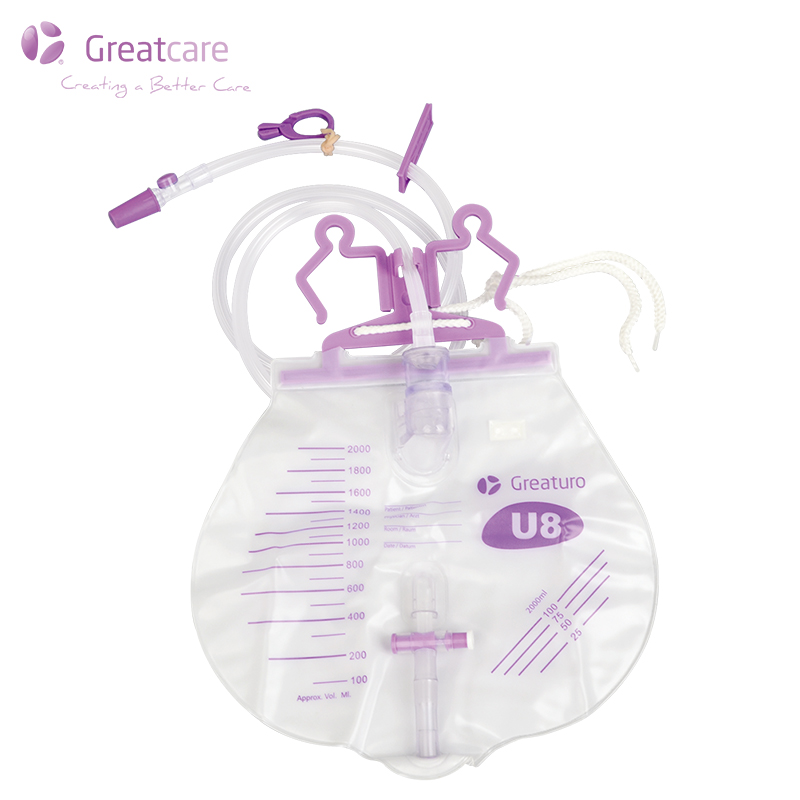
In the field of healthcare, many basic procedures have remained unchanged for years, yet they directly impact patient comfort and dignity. Just as injection techniques have long been stagnant due to pain and fear, the routine process of emptying urine bags is often considered a simple but easily overlooked step. In fact, proper emptying is not only about infection control and patient safety, but also reflects the professionalism and humanistic care of nursing. This article will systematically introduce how to empty urine bags in a scientific, safe, and patient-respectful manner.
Why do we need to focus on urine bag emptying techniques?
Traditional urine bag emptying procedures seem straightforward, but they hide risks: cross-infection, retrograde infection, measurement errors, and inconvenience and embarrassment during the procedure. Just as traditional syringes have long neglected patient experience, can we redesign this process in a more humane and safer way? Modern nursing concepts require that even basic procedures incorporate safety awareness, human-centered design, and precise execution.
What should a safe and standardized urine bag emptying procedure look like?
A modern, professional urine emptying procedure should go beyond the simplistic notion of "just emptying the urine." It should be a standardized set of procedures designed to maximize the protection of both patients and caregivers while ensuring data accuracy.
Core Steps Overview:
Preparation:
Personal Protective Equipment: Always wash hands and wear disposable gloves before the procedure.
Materials Preparation: Prepare a dedicated clean collection container (with markings), medical alcohol wipes or iodine swabs, and a record sheet.
Patient Communication: Explain the procedure to the patient, obtain their cooperation, and protect their privacy.
Emptying Procedure:
Positioning: Place the urine bag drain valve above the collection container. Ensure the drain valve outlet does not touch the container's inner wall or other potentially contaminated surfaces.
Cleaning: Carefully wipe the drain valve outlet and surrounding area with alcohol wipes.
Drainage: Open the drain valve and completely drain the urine into the marked container. Avoid squeezing the urine bag forcefully to prevent backflow.
Re-cleaning and Closing: After emptying, clean the drain valve outlet again with an alcohol wipe, then completely close it to ensure no leakage.
Follow-up Processing and Recording:
Accurate Measurement: Observe the scale on the collection container and accurately record the urine volume, color, characteristics, and emptying time.
Proper Disposal: Dispose of the urine according to hospital regulations, discard gloves, and wash hands again.
Urine Bag Placement: Re-secure the urine bag to the bedside below the bladder, ensuring the drainage tube is unobstructed and free from twisting.
How do we integrate safety and convenience into every detail?
Just as advanced injection technology eliminates fear through microneedles and intelligent control, urine bag emptying can also enhance safety and experience through detailed design:
Anti-backflow Design: Ensure the urine bag itself has an anti-backflow valve, the first line of defense against infection.
Contactless Drain Valve: Employ a valve design that is easy to operate with one hand and enables "contactless" discharge, reducing the risk of contamination.
Clear and Precise Scales: The scales on the urine bag should be clear and accurate for quick reading of urine volume. Humanized suspension and fixation: The design features a stable and easily adjustable suspension system that allows for easy patient movement and maintains the correct posture.
Why should you reassess your current vacuuming procedures?
Adhering to outdated, traditional procedures means condoning unnecessary infection risks, inaccurate data, and compromises on patient experience. Standardizing and humanizing vacuuming procedures is not a trivial matter, but a reflection of modern quality care. It directly relates to patient safety, comfort, and the quality of recovery.
| Key Areas for Improvement | Potential Risks of Traditional Practices |
Benefits of Standardization and Optimization |
|
Infection Control |
Valve contamination leading to backflow infection |
Strict cleaning procedures and anti-backflow design to minimize infection rates |
|
Data Accuracy |
Visual estimation resulting in large recording errors |
Precise measurement providing reliable data for disease assessment |
|
Patient Dignity |
Awkward procedures and lack of privacy protection |
Communication and privacy protection to improve patient comfort |
|
Operational Efficiency |
Casual steps leading to omissions |
Standardized procedures ensuring safe, complete, and efficient operation every time |
Are you ready to raise the standards of basic nursing care?
Just as injection technology is undergoing a transformation from "tools" to "intelligent solutions," every aspect of basic nursing care deserves to be re-examined and improved with the same dedication. Whether you are a medical institution, a nursing staff member, or a home caregiver, adopting and adhering to a scientific and safe procedure for emptying urine bags is the best way to practice professionalism and a people-centered care philosophy.
Starting today, let’s complete this important nursing procedure in a more professional and caring way. If you wish to develop more detailed nursing procedures for your institution or home, it is recommended that you consult a professional infection control nurse or clinical nursing specialist.
We at Greatcare are committed to providing not just products, but clear information and reliable solutions for every stage of healing. If you’re still unsure which dressing is ideal for your specific situation, or if you need detailed specifications for our product lines, we are here to help. Contact us today with your questions—let our expertise guide you to the right choice for faster, safer healing.