
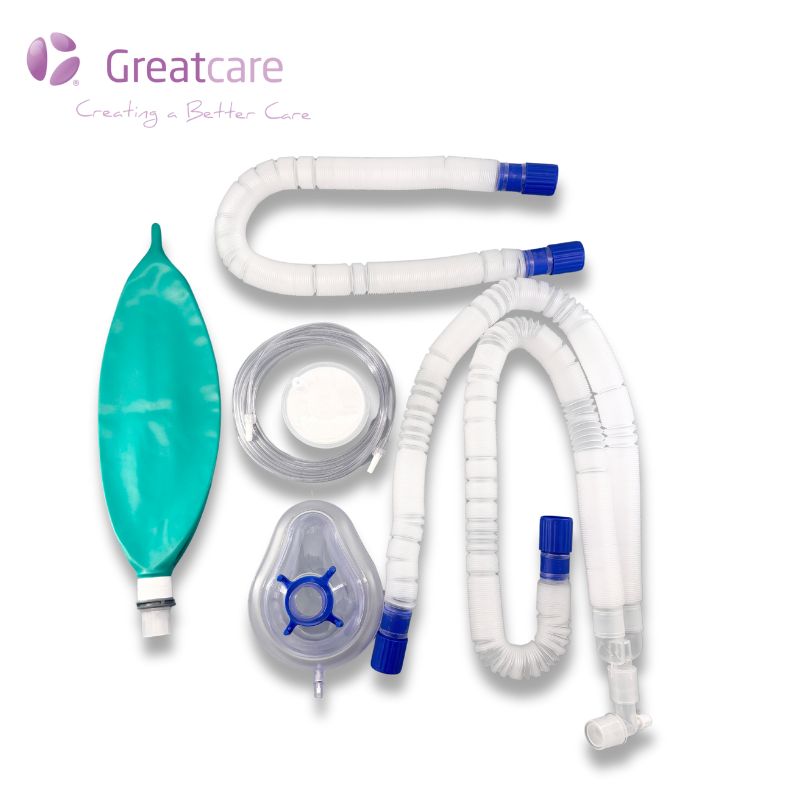
In modern healthcare environments, selecting a reliable Anesthesia Circuit Kit is critical for ensuring safe ventilation, efficient anesthesia delivery, and optimal patient outcomes. As a trusted medical device manufacturer, GreatCare provides high-quality anesthesia breathing solutions designed to meet the demanding requirements of hospitals, surgical centers, and healthcare professionals worldwide.
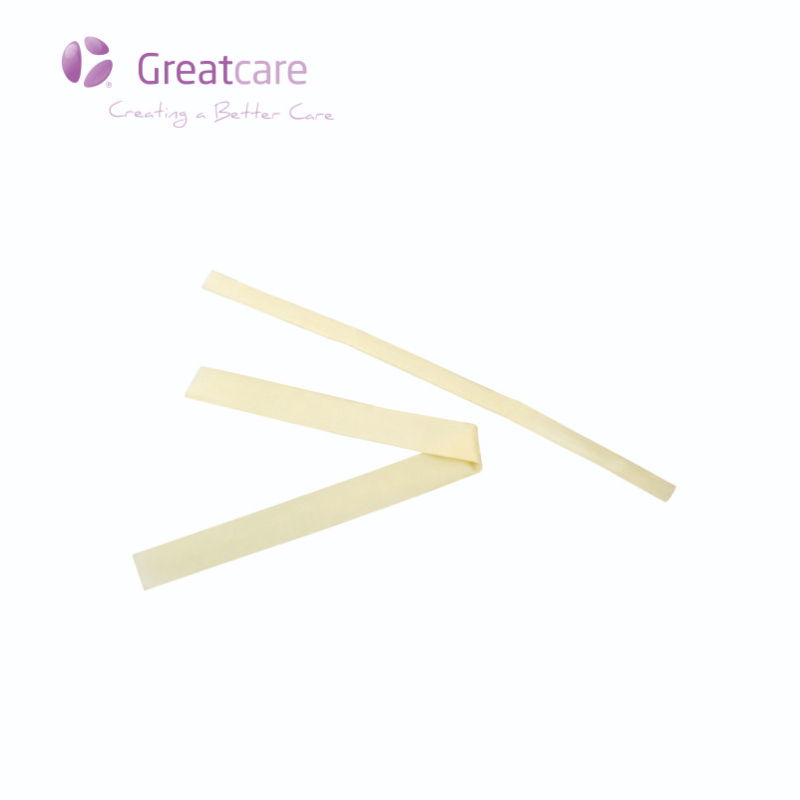
The Penrose Tube has become a cornerstone in modern healthcare, widely used for drainage, fluid management, and surgical recovery. In this comprehensive article, we explore the design, advantages, applications, and practical considerations of the Penrose Tube, offering insights into why GreatCare's products are trusted globally. Whether you are a medical professional, a purchasing manager, or a healthcare enthusiast, this guide will help you understand the critical role of the Penrose Tube.
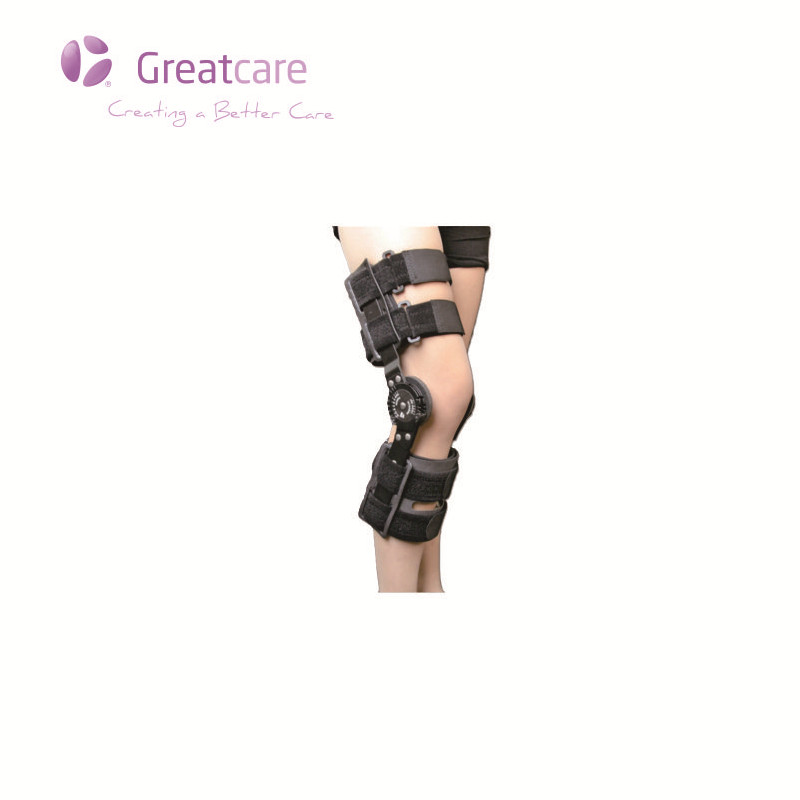
Choosing the right Wheelchairs & Stretcher products is not only about moving a patient from one place to another. It is about reducing transfer risk, protecting caregivers from unnecessary strain, improving patient comfort, and helping hospitals, clinics, nursing homes, rescue teams, and home-care buyers keep daily movement more controlled.
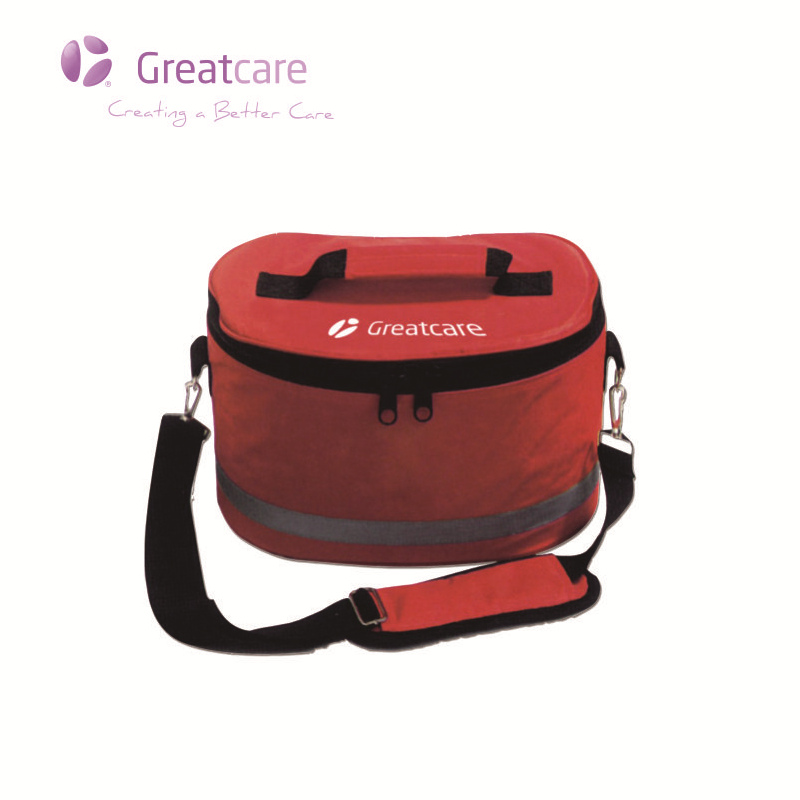
A first-aid kit is easy to buy, but much harder to choose well. Many people only realize that after an accident happens and the kit they have is incomplete, poorly organized, or filled with items that are not practical for real use.
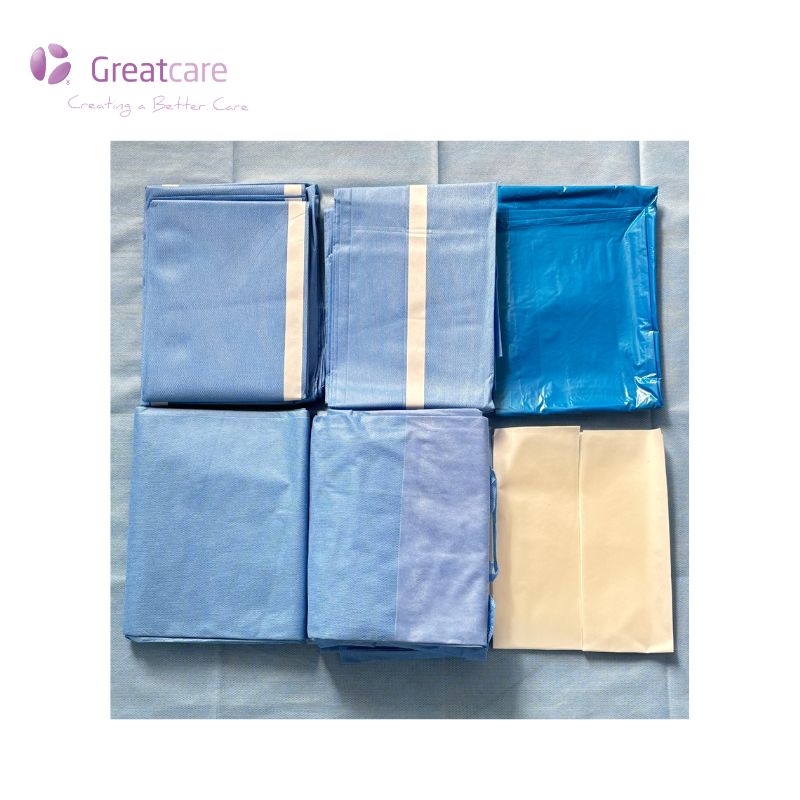
Choosing the right Medical Dressing is not only about wound coverage. It affects patient comfort, dressing change frequency, inventory turnover, procurement cost, and the overall confidence buyers have in product quality.
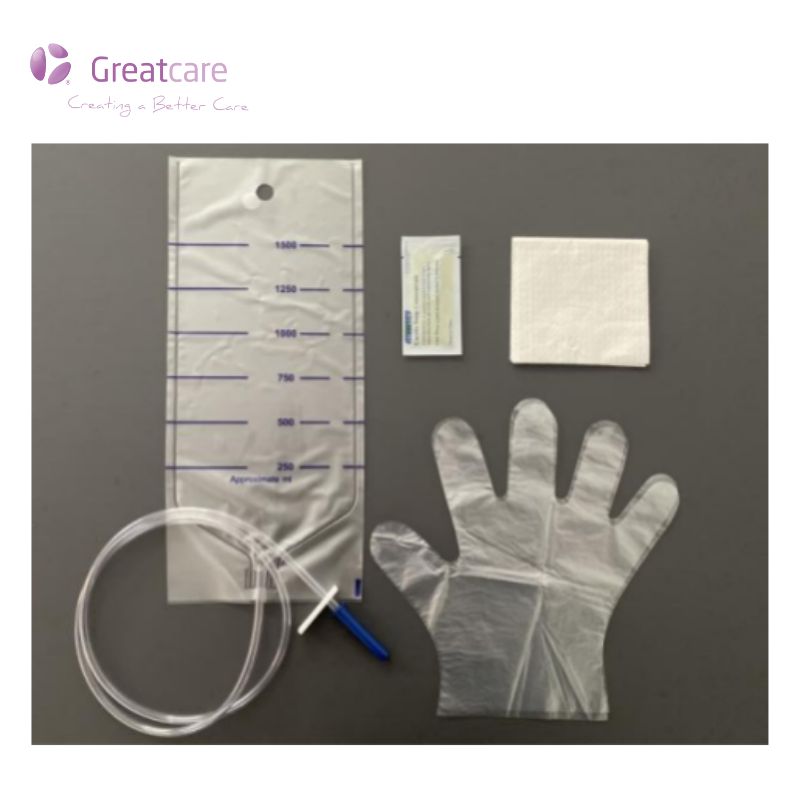
When buyers look for diagnostics exam supplies, they are rarely searching for products alone. They are trying to reduce delivery delays, avoid inconsistent quality, simplify procurement, and keep clinical workflows running without disruption.


