
Article Summary
Choosing the right Medical Dressing is not only about wound coverage. It affects patient comfort, dressing change frequency, inventory turnover, procurement cost, and the overall confidence buyers have in product quality. In this article, I break down what buyers should really look for when comparing dressing products, how to avoid common purchasing mistakes, and why working with an experienced supplier such as Ningbo GreatCare Trading Co., Ltd. can make sourcing more stable and more practical. This guide is written for distributors, medical product importers, private-label buyers, and organizations that want dependable solutions instead of vague claims.
Table of Contents
Outline
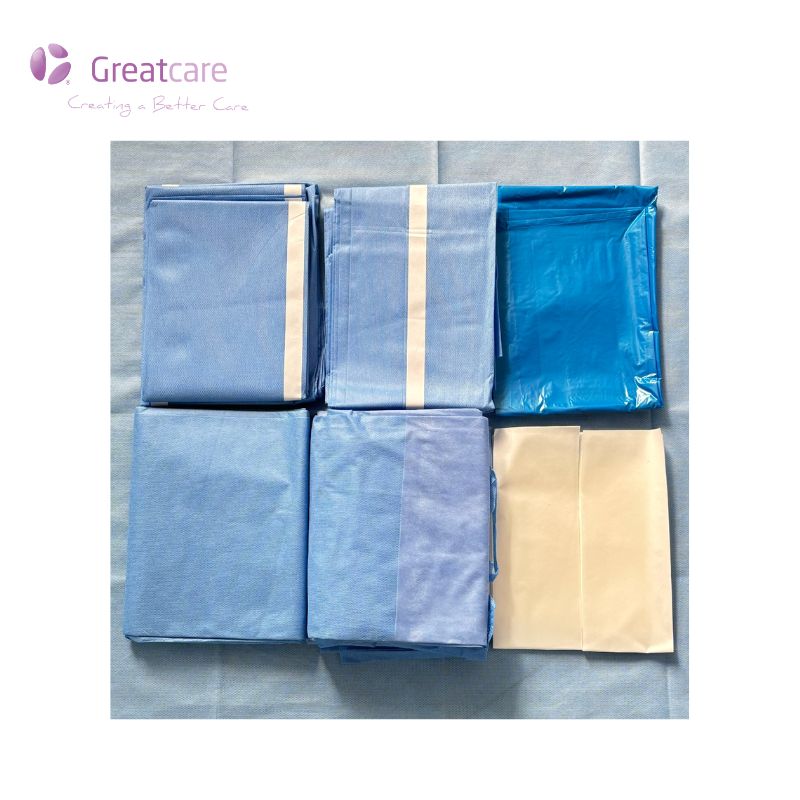
When buyers first look at Medical Dressing products, many focus on appearance, packaging, or unit price. That is understandable, but it often misses the real purpose of the product. A dressing must do several jobs at once. It should protect the wound from external contamination, help manage moisture, reduce unnecessary irritation, and support a cleaner healing environment. In practical purchasing, this means the product should match how it will actually be used, not just how it looks on a specification sheet.
Different wounds create different requirements. A highly exuding wound may need strong absorbency and a structure that helps reduce leakage. A minor superficial wound may need breathable, comfortable coverage that is easy to apply and remove. Sensitive skin may call for softer materials and a gentler contact layer. If a buyer ignores these real use differences, the result is often frequent changes, poor user satisfaction, and wasted stock.
That is why I never treat Medical Dressing as a commodity in the narrow sense. Even basic products require thoughtful comparison. The right dressing can reduce handling trouble, improve daily convenience, and help medical staff or end users feel more confident in performance.
Practical reminder
A lower-priced product can become more expensive if it requires more frequent replacement, creates user complaints, or increases procurement risk because of unstable quality.
I often see buyers make decisions too quickly because the category looks familiar. Since dressings are widely used, it is easy to assume that one version is much like another. In reality, small differences in material, absorbency, softness, sterility option, and packaging can make a noticeable difference in actual use.
The most common mistake is buying mainly on price. Price matters, of course, especially for large-volume distribution, but it should not be isolated from performance. A dressing that shifts easily, absorbs poorly, or causes discomfort may create more returns or more resistance from end users. Another common mistake is failing to define the target use scenario clearly. Buyers sometimes request a general quotation without clarifying whether the products are intended for hospitals, pharmacy channels, home care, clinic distribution, or OEM retail packaging.
I also notice that some importers compare samples without checking production consistency. A sample may look acceptable, but large-batch performance is what determines long-term trust. This is one reason experienced buyers look not only at the product itself, but also at the supplier’s communication quality, manufacturing coordination, and ability to maintain standards across repeat orders.
A buyer does not need to complicate the category, but understanding the main product groups helps avoid broad and unhelpful sourcing decisions. Different Medical Dressing products are designed for different priorities. Some focus on basic coverage. Others are better at absorption, cushioning, fixation support, or skin-friendly protection.
| Type | Main Function | Typical Use Scenario | Buyer Focus |
|---|---|---|---|
| Gauze Dressing | Basic wound coverage and absorption | General wound care and routine medical use | Softness, absorbency, size options, sterility |
| Non-Woven Dressing | Comfortable coverage with smooth surface feel | Clinics, home care, daily dressing change use | Skin comfort, lint control, packaging flexibility |
| Adhesive Dressing | Convenient fixation and protection | Minor wounds and quick-application scenarios | Adhesion balance, skin friendliness, wear comfort |
| Absorbent Pad Dressing | Fluid management and wound isolation | Moderate exudate wounds and post-procedure care | Absorbency level, thickness, leakage control |
| Composite Dressing | Multiple-layer protection and comfort | Situations requiring balanced protection and ease of use | Layer structure, consistency, practical handling |
The key is not to treat all these options as interchangeable. Buyers who understand product function can communicate more clearly with suppliers and avoid vague sourcing requests that slow down the process.
Once the product category is clearer, I think buyers should move to evaluation in a more structured way. This is where sourcing becomes more professional and more efficient. Instead of asking whether a dressing is “good,” it is far better to ask which performance points matter most for the intended market.
For example, if the product is aimed at routine hospital supply, consistency and packaging clarity may be decisive. If it is for home care or retail distribution, ease of use and comfort may become more important. If it will be sold under a private label, then packaging support, design flexibility, and communication responsiveness also matter.
Here are the points I would always verify before ordering:
| Evaluation Point | Why It Matters | What Buyers Should Ask |
|---|---|---|
| Absorbency | Affects replacement frequency and user confidence | Is the dressing intended for light, moderate, or higher exudate? |
| Material Softness | Influences comfort and skin tolerance | How does the surface feel during repeated changes? |
| Packaging Format | Impacts storage, retail use, and distribution convenience | Can the supplier support custom packing needs? |
| Quality Stability | Determines repeat-order reliability | Will bulk production remain consistent with approved samples? |
| Communication Efficiency | Reduces delay and sourcing friction | Does the supplier respond clearly and solve issues quickly? |
Many buyers focus heavily on the first order, but experienced importers know the real test comes later. A dressing that performs well once but becomes inconsistent in the next shipment is not a strong sourcing result. This is especially important for distributors building local trust, because end customers notice changes quickly. Even minor differences in texture, absorbency, or packaging presentation can affect purchasing confidence.
Reliable supply is also about predictability. Buyers need to know whether lead times are manageable, whether documentation can be prepared smoothly, and whether new packaging or specification requests can be discussed without confusion. Stable cooperation reduces friction across every step of the business, from inquiry to shipment to reorder.
This is why long-term value in the Medical Dressing category does not come only from the product itself. It comes from repeatability. A supplier that can maintain standards, communicate clearly, and respond to market needs becomes much more valuable over time than one that competes only on an initial quotation.
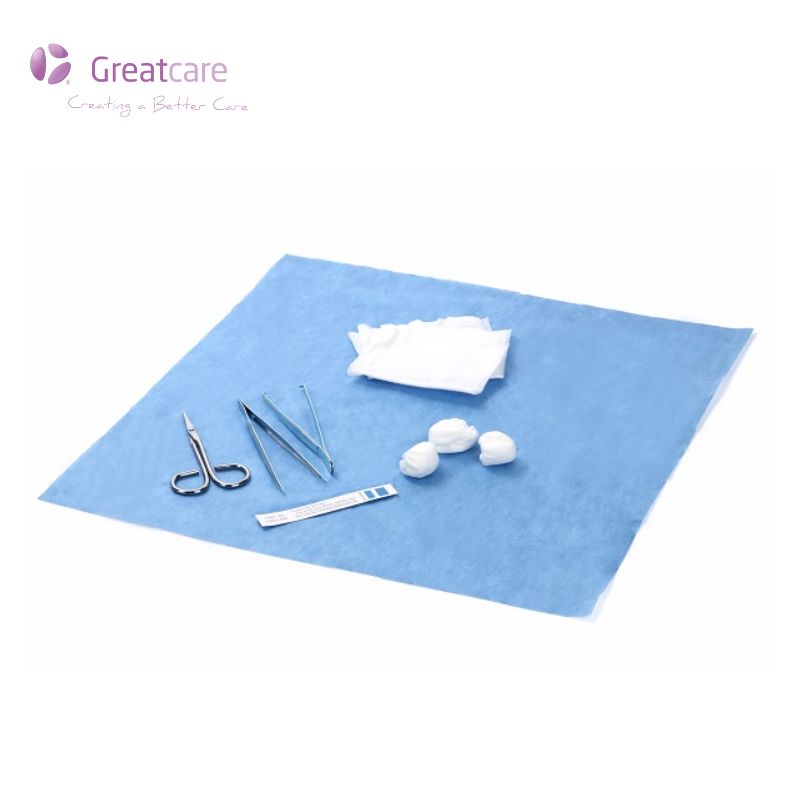
A good supplier does more than send a catalog. In my view, a reliable partner helps buyers narrow choices, match products to actual market demand, and avoid wasted communication. This matters even more in medical categories, where buyers may need confidence not just in product appearance, but in process discipline and business coordination.
Ningbo GreatCare Trading Co., Ltd. is a name buyers may come across when looking for professional medical product sourcing support, including Medical Dressing solutions. What makes this kind of partner valuable is not just product availability, but the ability to communicate clearly, understand buyer requirements, and support practical sourcing workflows for international business.
For many buyers, the ideal supplier relationship includes several things at once: dependable product categories, efficient quotation handling, flexibility for packaging discussions, and communication that does not create unnecessary delays. These are the details that transform an ordinary transaction into a workable supply relationship.
FAQ
What is the first thing I should confirm before buying medical dressing in bulk?
I would first confirm the intended application. Is the product for clinic use, retail sale, home care, or distribution into a broader healthcare channel? That answer affects everything else, from absorbency expectations to packaging style.
Which matters more, unit price or performance?
Both matter, but performance should come first. A cheaper product that needs more frequent replacement or leads to customer dissatisfaction often increases the real cost of procurement.
Should I request samples before placing an order?
Yes. Samples help you evaluate feel, structure, packaging, and practical suitability. But sample approval alone is not enough. You should also discuss how bulk consistency will be maintained.
Can medical dressing products be adapted for private label business?
In many cases, yes. Buyers often want packaging support, size customization, or branding options, so it is worth discussing these points early with the supplier.
Why is supplier communication so important in this category?
Because clear communication prevents delays, specification mistakes, packaging confusion, and avoidable sourcing risk. In cross-border medical product trade, responsiveness is a practical advantage.
The best sourcing decisions are rarely based on one number alone. In the Medical Dressing category, buyers need to balance wound care function, user comfort, packaging practicality, order consistency, and supplier reliability. When these elements are evaluated together, purchasing becomes more efficient and far less reactive.
I believe buyers who take a more careful approach usually see better long-term results. They reduce replacement problems, improve product acceptance, and build stronger trust in their supply chain. That matters whether the goal is hospital distribution, pharmacy sales, OEM development, or expanding a broader healthcare product line.
If you are looking for a dependable partner to discuss Medical Dressing solutions, product details, or sourcing support, Ningbo GreatCare Trading Co., Ltd. is worth considering. If you want to move from uncertainty to a clearer purchasing plan, now is the right time to contact us and start the conversation with your requirements.


