
A nasogastric tube (NG tube) is one of the most widely used medical devices for enteral feeding, medication administration, and gastric decompression. Despite its simplicity, improper selection or use can lead to complications. This in-depth guide explains when a nasogastric tube should be used, its clinical indications, types, insertion process, risks, and best practices.
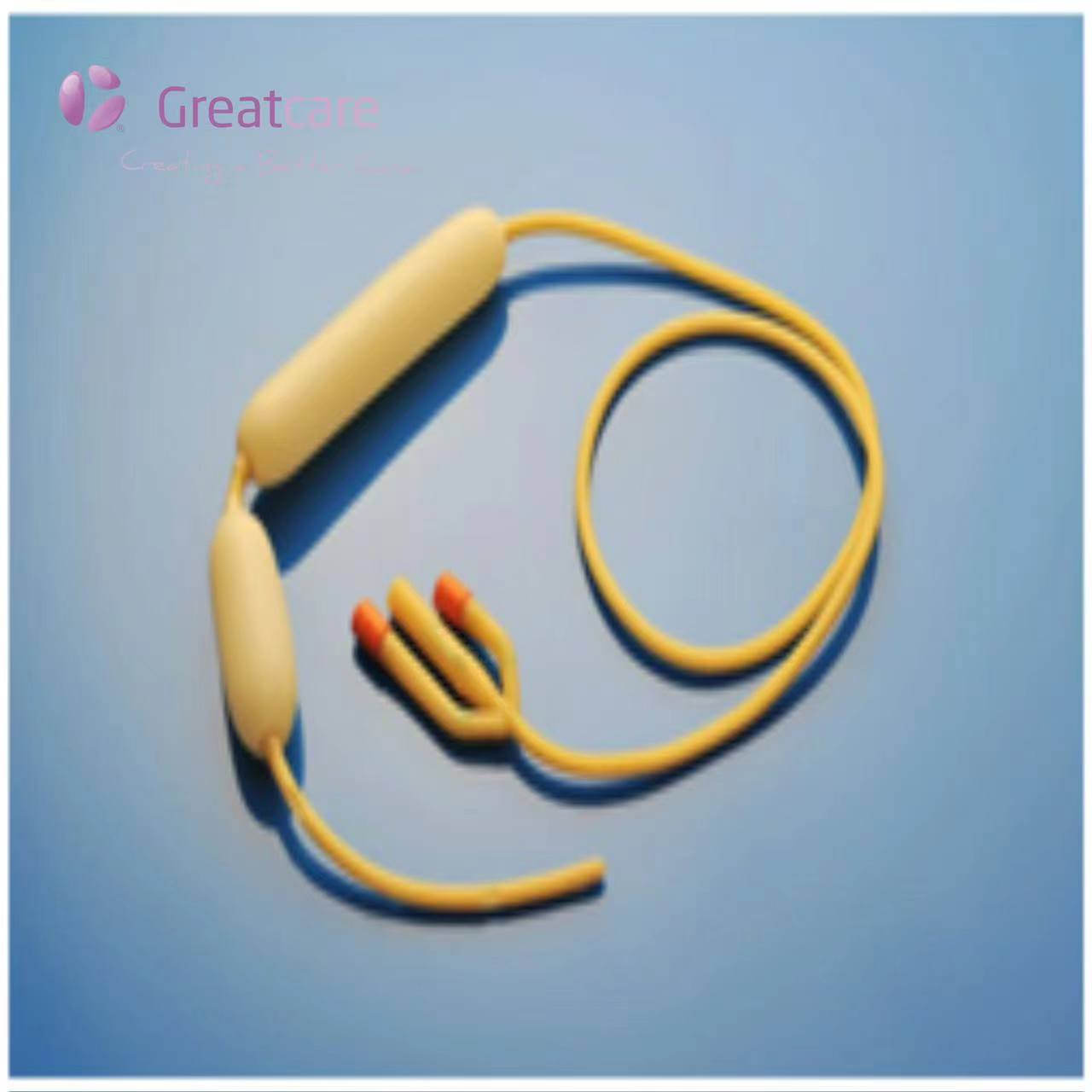
A nasogastric tube is a flexible medical tube inserted through the nostril, down the esophagus, and into the stomach. It is primarily used for short- to medium-term clinical needs, including feeding, medication delivery, and stomach decompression.
Compared to surgically placed feeding tubes, nasogastric tubes offer a non-invasive, cost-effective solution, making them essential in hospitals, nursing homes, and emergency care settings.
A nasogastric tube should be used when a patient cannot safely consume food, liquids, or medications orally but still has a functioning gastrointestinal tract.
According to clinical guidelines, nasogastric tubes are ideal for patients requiring enteral support for less than 4–6 weeks.
| Indication | Purpose | Typical Duration |
|---|---|---|
| Enteral Feeding | Provide nutrition to patients unable to eat | Short-term |
| Medication Administration | Deliver oral drugs safely | Temporary |
| Gastric Decompression | Remove gas or fluid from the stomach | Acute |
| Poisoning or Overdose | Gastric lavage | Emergency use |
Different clinical scenarios require different nasogastric tube designs:
For a detailed overview of modern nasogastric tube designs, see this reference: nasogastric tube product specifications.
Nasogastric tubes are typically manufactured from biocompatible materials designed to minimize irritation and maximize safety.
| Material | Advantages | Best Use |
|---|---|---|
| PVC | Cost-effective, firm | Short-term use |
| Silicone | Soft, flexible | Longer comfort |
| Polyurethane | Thin wall, durable | Extended feeding |
Leading manufacturers such as Greatcare medical offer a full range of sizes suitable for neonates, pediatrics, and adults.
Correct placement verification is essential to prevent aspiration or lung insertion.
Most complications are preventable with proper training, product quality, and routine monitoring.
Routine care includes daily inspection, regular flushing, and secure fixation. Tubes should be replaced according to hospital protocols or manufacturer recommendations.
When long-term feeding is required, clinicians should consider alternative enteral access methods.
Selecting a trusted supplier ensures patient safety and regulatory compliance. A professional supplier should provide:
Greatcare medical specializes in high-quality enteral feeding solutions and supports healthcare providers worldwide.
Most nasogastric tubes are intended for short-term use, typically up to 4–6 weeks.
Insertion may cause temporary discomfort, but proper technique significantly reduces pain.
Yes. A nasogastric tube does not interfere with breathing or speech.
NG tubes are inserted through the nose, while OG tubes are inserted through the mouth.
Understanding when a nasogastric tube should be used and recognizing its key indications are critical for safe and effective patient care. With proper product selection, skilled insertion, and routine maintenance, nasogastric tubes remain an essential component of modern healthcare.
If you are looking for a reliable nasogastric tube manufacturer with consistent quality and global supply capabilities, contact us today to learn how Greatcare medical can support your medical device needs.


