
In modern healthcare environments, a high-quality Drainage Bag plays a critical role in maintaining patient comfort, infection control, and effective fluid management. As a trusted manufacturer of medical consumables, GreatCare provides reliable drainage bag solutions designed to meet the needs of hospitals, clinics, long-term care facilities, and home healthcare providers worldwide. Whether used for urinary drainage, postoperative care, or other fluid collection applications, selecting the right drainage bag can significantly improve patient outcomes and caregiver efficiency.
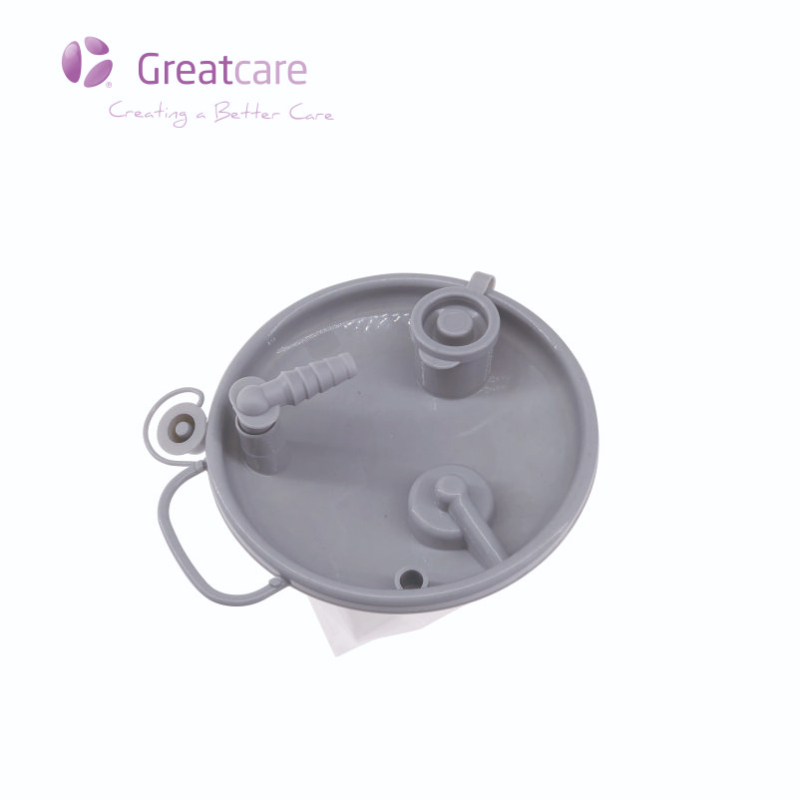
A drainage bag is a medical device designed to collect bodily fluids safely and hygienically from patients who require temporary or long-term drainage management. These fluids may include urine, wound exudate, bile, or other postoperative drainage outputs.
Drainage bags are typically connected to catheters, drainage tubes, or collection systems, allowing fluids to flow into a sterile reservoir while minimizing contamination risks. They are widely used across hospitals, rehabilitation centers, nursing homes, and home care settings.
Modern drainage bags are engineered with features such as anti-reflux valves, graduated volume markings, secure outlet systems, and durable materials that support safe fluid collection and disposal.
Fluid drainage management is essential for monitoring patient health, preventing complications, and supporting recovery. A properly designed drainage bag contributes to:
Without reliable drainage systems, healthcare providers may face increased risks of leakage, contamination, inaccurate monitoring, and patient discomfort.
Different clinical situations require different drainage bag designs. Understanding these categories helps healthcare facilities select the most suitable solution.
These are the most common drainage bags used for collecting urine from catheterized patients.
Designed to collect fluids after surgery and assist healthcare providers in monitoring recovery progress.
Used for patients requiring biliary drainage following specific medical procedures.
These systems collect exudates and fluids from surgical wounds or trauma sites.
The performance of a drainage bag depends largely on its design and components.
These features help ensure patient safety, reduce contamination risks, and improve healthcare workflow efficiency.
Closed drainage systems significantly reduce the possibility of bacterial contamination compared with open collection methods.
Graduated volume markings allow healthcare professionals to monitor fluid output accurately.
Modern drainage bags are lightweight, discreet, and comfortable for long-term use.
Easy-empty valves and secure connections help caregivers save time during routine patient care.
High-quality manufacturing minimizes accidental fluid leakage and associated hygiene concerns.
Drainage bags are utilized across numerous medical departments and treatment scenarios.
Their versatility makes them indispensable for modern healthcare systems.
Healthcare providers and procurement specialists should evaluate several factors before purchasing drainage bags.
Mobile patients may benefit from leg bags, while bedridden patients often require larger bedside drainage bags.
Anti-reflux valves and closed-system designs should be prioritized.
Medical-grade, latex-free materials improve safety and patient compatibility.
Always choose products manufactured under recognized international quality systems.
| Feature | Leg Drainage Bag | Bedside Drainage Bag | Postoperative Drainage Bag |
|---|---|---|---|
| Typical Capacity | 500-750ml | 1500-2000ml | 100-800ml |
| Mobility Support | Excellent | Limited | Moderate |
| Long-Term Use | Yes | Yes | Temporary |
| Volume Measurement | Good | Excellent | Excellent |
| Home Care Suitable | Yes | Yes | Depends on Condition |
| Hospital Use | Common | Very Common | Specialized |
Healthcare institutions increasingly demand drainage bags that meet stringent international quality requirements.
Leading manufacturers like GreatCare Drainage Bag Solutions focus on maintaining strict production controls and quality assurance procedures throughout the manufacturing process.
Important standards often include:
Consistent adherence to these standards helps ensure product reliability and patient safety.
Healthcare technology continues to evolve, influencing the development of next-generation drainage bags.
Emerging trends include:
As healthcare providers increasingly emphasize patient-centered care, manufacturers are investing in innovative drainage solutions that improve both clinical outcomes and user experience.
A drainage bag safely collects bodily fluids from patients while reducing contamination risks and supporting accurate monitoring.
The frequency depends on fluid output levels, but healthcare providers generally recommend emptying before the bag becomes completely full.
Yes. Many drainage bags are specifically designed for home care applications and long-term patient use.
Large-capacity bedside drainage bags, typically ranging from 1500ml to 2000ml, are commonly used overnight.
Anti-reflux valves help prevent fluid backflow, reducing infection risks and improving patient safety.
Most high-quality drainage bags are manufactured from medical-grade PVC or other biocompatible materials.
Look for manufacturers with strong quality certifications, international compliance standards, proven production capabilities, and extensive healthcare industry experience.
A reliable Drainage Bag is far more than a fluid collection container—it is a critical component of modern patient care, supporting infection prevention, accurate monitoring, patient comfort, and healthcare efficiency. From hospitals and surgical centers to rehabilitation facilities and home care environments, selecting the right drainage bag can directly impact clinical outcomes and operational effectiveness.
If you are looking for dependable, high-quality drainage bag solutions backed by professional manufacturing expertise, GreatCare offers a comprehensive range of products designed to meet global healthcare standards. Whether you are a distributor, healthcare provider, or medical procurement specialist, contact us today to learn more about our drainage bag products, request technical support, or receive a customized quotation tailored to your specific requirements.


