
Choosing Gastroenterology Supplies is not simply a purchasing task. It directly affects patient comfort, clinical efficiency, workflow consistency, and the confidence of care teams who rely on every tube, feeding set, and accessory to perform exactly as expected. In this article, I explain the common problems buyers face when comparing suppliers, the features that truly deserve attention, and the practical standards that help hospitals, distributors, and procurement teams make better long-term decisions. I also introduce how Ningbo GreatCare Trading Co., Ltd. supports buyers who need dependable product quality, stable supply, and professional communication in a demanding medical market.
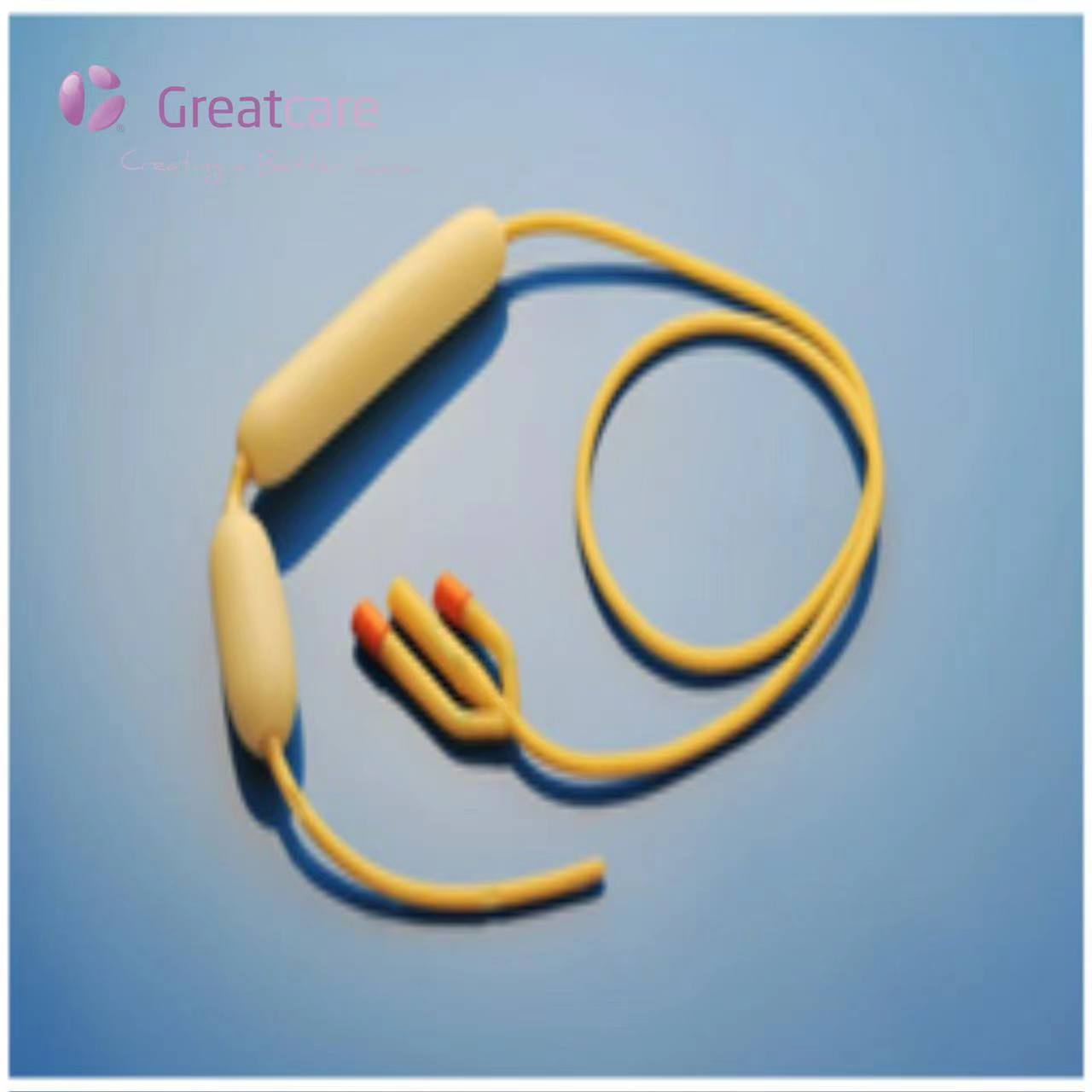
I have noticed that many buyers do not struggle because they misunderstand specifications on paper. They struggle because the real problem only appears after the products enter daily use. A feeding set may seem acceptable during quotation review, yet nurses later find the connection less intuitive than expected. A tube may match the required size, yet its softness, surface finish, or packaging detail may create frustration during handling. An enema-related product may look cost-effective at first, yet inconsistent quality across batches can turn a saving into repeated complaints.
This is exactly why Gastroenterology Supplies should be evaluated beyond price and basic dimensions. In practice, buyers are usually trying to solve several pain points at the same time:
The disappointment comes when a supplier sells a product, but does not support the buyer’s broader operational needs. That gap creates returns, internal friction, and lost time.
If I were evaluating suppliers for Gastroenterology Supplies, I would focus on practical performance indicators rather than sales language. Medical procurement teams need products that fit real clinical routines, not just catalog descriptions. That means looking closely at the product itself, the production process, and the supplier’s ability to deliver consistently.
| Evaluation Point | Why It Matters | What Buyers Should Check |
|---|---|---|
| Material quality | Impacts flexibility, comfort, and reliability during use | Ask about material options, finish consistency, and batch stability |
| Connection accuracy | Reduces leakage, mismatch, or handling errors | Review connector design, fit, and compatibility details |
| Packaging clarity | Improves storage, identification, and workflow speed | Check labels, carton organization, and traceability information |
| Supply reliability | Prevents stock gaps and purchasing disruption | Ask about production capacity, lead times, and repeat-order support |
| Technical responsiveness | Helps solve issues before they become complaints | Evaluate communication speed and problem-solving attitude |
A serious supplier should help buyers compare options clearly, explain product differences honestly, and support long-term purchasing confidence. That is much more useful than offering a low quote with limited follow-through.
In gastroenterology-related care, small design details can have disproportionate impact. A product does not need to fail catastrophically to create a problem. Even mild inconsistency can slow procedures, increase handling difficulty, or reduce confidence for care providers.
For example, when a tube is designed with appropriate flexibility and a smoother finish, insertion and placement can become more manageable. When feeding accessories are easier to identify and connect, staff can move more quickly and with fewer interruptions. When packaging is more intuitive, inventory handling becomes less wasteful. These are not minor details. They influence the entire care environment.
This is one reason why experienced buyers do not treat Gastroenterology Supplies as interchangeable commodities. They understand that a better product may save time across hundreds or thousands of routine interactions. Over time, that improvement is visible in staff satisfaction, operational efficiency, and purchasing confidence.
When buyers choose carefully, they are not only purchasing a product. They are reducing future friction.
A product can look excellent in a sample stage and still become risky if the supplier cannot maintain consistency. This is one of the biggest concerns in medical sourcing. Buyers do not want one good shipment followed by three unpredictable ones. They want confidence that repeat orders will match approved expectations.
That is where a company such as Ningbo GreatCare Trading Co., Ltd. becomes relevant. Buyers in this sector often prefer to work with suppliers that cover multiple related product lines and understand the expectations of international medical distribution. When a supplier can support a broader range of gastroenterology-related items while maintaining stable communication and organized production, the buyer’s job becomes easier.
Consistency matters in several ways:
In other words, product design may win the first order, but consistency is what earns the next ten.
Many buyers benefit from stepping back and reviewing the full product ecosystem rather than evaluating each item in isolation. In gastroenterology-related purchasing, product categories often interact operationally. That means the supplier’s ability to support related lines can be just as valuable as the quality of a single item.
Based on the product direction commonly associated with this category, I would pay particular attention to the following groups:
A supplier with experience across these related categories can often provide more useful guidance because they understand product matching, operational continuity, and procurement simplification. That is particularly valuable for distributors and healthcare buyers who want to reduce vendor fragmentation.
I always think large orders should begin with disciplined questions, not rushed optimism. Even when a supplier appears capable, buyers should validate the details that matter in day-to-day operations. A smart evaluation process reduces risk before it becomes expensive.
Here is a practical checklist I would use before scaling an order for Gastroenterology Supplies:
Buyers often focus on the obvious numbers first, but risk usually hides in overlooked details. If those details are addressed early, the ordering process becomes much more secure.
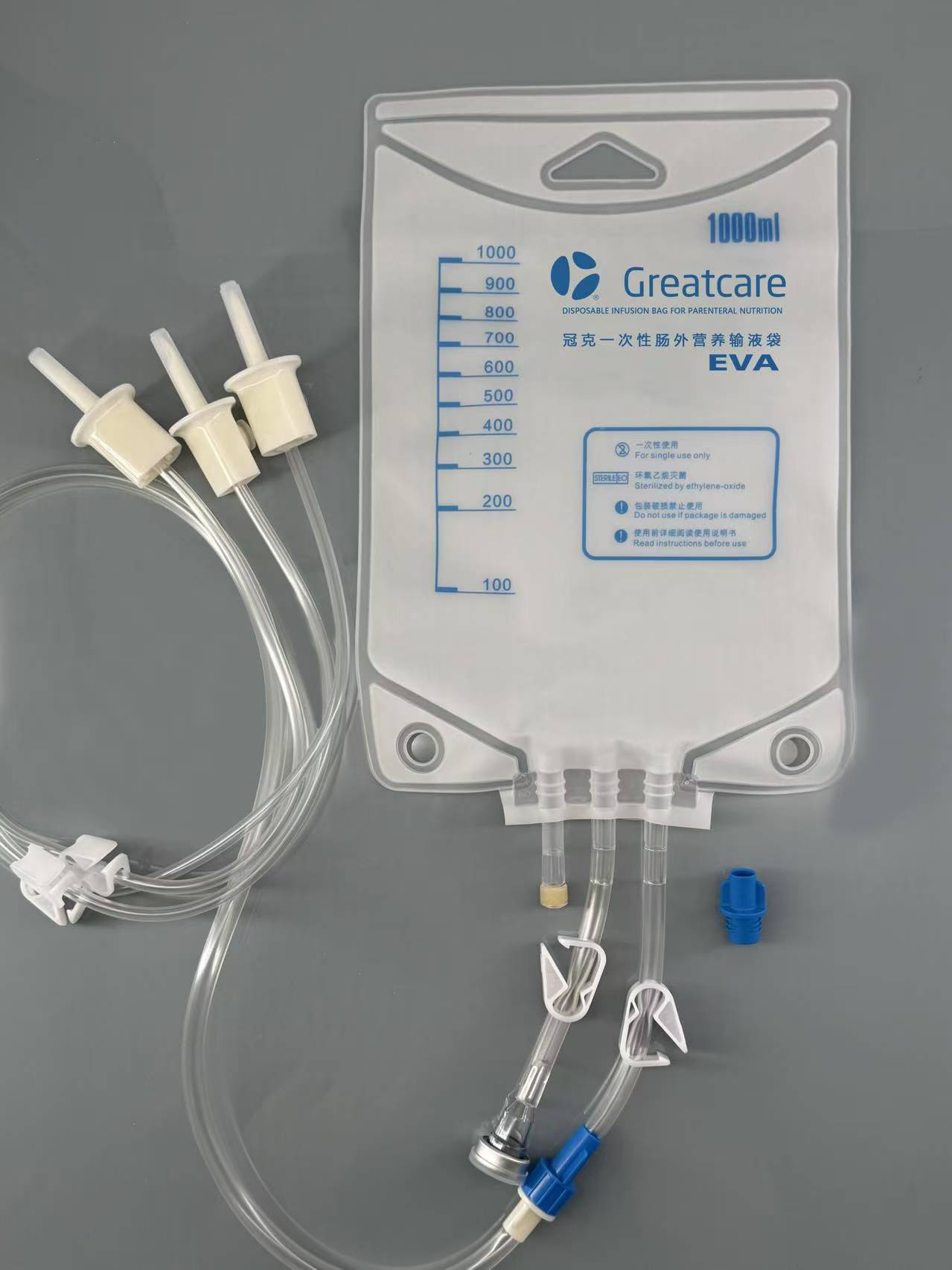
The lowest quotation rarely tells the full story. In medical purchasing, the true cost includes communication efficiency, repeat consistency, complaint prevention, inventory stability, and the confidence that the next shipment will not create new internal problems. That is why many experienced buyers eventually move away from transaction-focused vendors and toward partners who understand the pressure behind every order.
A long-term partner adds value by helping the buyer avoid recurring friction. They answer clearly. They keep product standards stable. They understand that medical products are judged not only by what is sold, but by how smoothly they perform in real settings. They make it easier for importers, distributors, and healthcare organizations to plan ahead.
For buyers exploring dependable Gastroenterology Supplies, this matters a great deal. The right supplier should not merely fill a purchase order. The right supplier should help create a safer, smoother, and more predictable supply experience.
How should I compare suppliers when many products look similar on paper?
I would compare them based on sample consistency, handling practicality, packaging clarity, communication quality, and repeat-order confidence rather than appearance alone.
Are Gastroenterology Supplies only about price and specification matching?
No. Price and dimensions matter, but buyers also need to consider usability, connection reliability, supply continuity, and how well the supplier supports operational needs.
Why is supplier responsiveness so important in medical sourcing?
Because delays in answers can slow approvals, create internal uncertainty, and increase procurement risk. Fast, accurate communication saves time across the entire supply chain.
Should I source related product categories from one supplier when possible?
In many cases, yes. Coordinated sourcing can reduce complexity, simplify communication, and improve consistency if the supplier has strong capabilities across those lines.
What is the biggest mistake buyers make with Gastroenterology Supplies?
Many buyers focus too narrowly on unit price and overlook the long-term cost of inconsistency, poor workflow fit, and weak supplier support.
The best purchasing decisions in this category are rarely the fastest ones. They come from understanding how products behave in real use, how suppliers handle repeat demand, and how every small design detail influences the people who rely on these products every day. When I look at Gastroenterology Supplies, I do not see simple catalog items. I see tools that shape comfort, workflow, and trust across the care chain.
For buyers who want a more dependable sourcing experience, Ningbo GreatCare Trading Co., Ltd. is a name worth considering when evaluating product range, communication reliability, and long-term supply support in this field.
If you are reviewing suppliers for gastroenterology-related medical products and want a partner who understands both product quality and purchasing practicality, now is the right time to take the next step. Contact us to discuss your sourcing needs, compare suitable product options, and find a supply solution that supports your market, your workflow, and your long-term growth.


