
Summary
A first-aid kit is easy to buy, but much harder to choose well. Many people only realize that after an accident happens and the kit they have is incomplete, poorly organized, or filled with items that are not practical for real use. In this article, I explain what separates a dependable First-Aid Kit from a decorative one, how to match contents to different scenarios, what buyers often overlook, and why thoughtful design matters more than simply packing more items into a box. I also show how a supplier such as Ningbo GreatCare Trading Co., Ltd. fits into the conversation when buyers want a practical, portable, and customizable solution for home, travel, workplace, and public-use settings.
Table of Contents
Outline
When I evaluate a First-Aid Kit, I do not begin with the number of items on the label. I begin with one simple question: will this kit actually help someone respond calmly and effectively in the first few minutes of an incident? That is the real standard.
Buyers often get distracted by quantity claims. A kit with 120 pieces may sound more impressive than a kit with 50 pieces, but that number means very little if the contents are repetitive, flimsy, or unsuitable for the environment where the kit will be used. A good kit should reduce confusion, not create it. It should be easy to open, easy to carry, easy to understand, and easy to restock.
That is why I think practical readiness depends on a balance of design, content structure, and scenario fit. In other words, the best First-Aid Kit is not simply full. It is intentional.
A dependable kit should do five things well
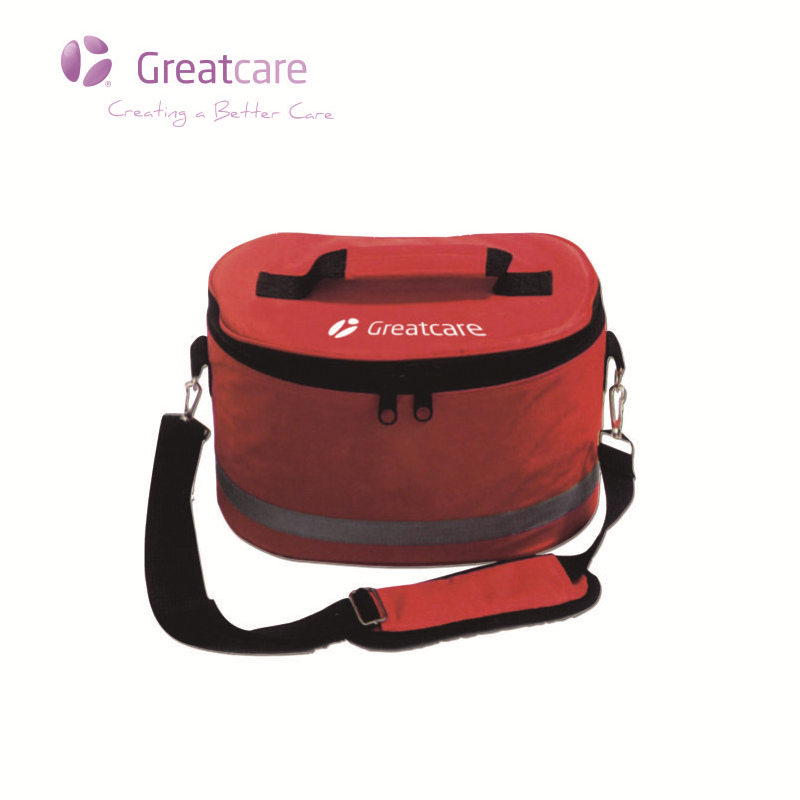
I see the same problem again and again: buyers know they need a First-Aid Kit, but they are forced to choose quickly from dozens of similar-looking options. The result is often a purchase based on appearance, size, or price alone. Later, they discover the weaknesses.
For families, the issue may be missing child-friendly or travel-friendly supplies. For companies, the issue may be poor internal layout that slows response time. For distributors and brand owners, the issue may be even bigger: inconsistent product quality, packaging that does not support their positioning, or a kit that cannot be adapted to target markets.
Another pain point is false confidence. People assume that owning a kit means they are prepared. But if the pouch tears easily, if the zipper fails, if items shift into a mess, or if the kit lacks the most frequently needed basics, then the product becomes more symbolic than useful.
| Common Buyer Problem | What Usually Goes Wrong | What a Better Choice Looks Like |
|---|---|---|
| Buying only by item count | Too many low-value or duplicate pieces | Balanced contents selected for actual use frequency |
| Choosing the cheapest option | Weak bag material, poor sealing, messy organization | Durable case with clear compartments and stable construction |
| Using one kit for every scenario | Home, travel, and workplace needs get mixed up | Scenario-based selection or customizable kit structure |
| Ignoring restocking needs | Used items are not replaced in time | Clear layout and manageable refill strategy |
This is where serious buying decisions begin. I usually look at four areas first: material quality, portability, internal organization, and customization flexibility. These four factors tell me much more than a bold label on the outer box ever could.
Material quality matters because a medical support product has to survive transport, storage, and daily handling. If the outer shell is too thin, or if the closure system is unreliable, the contents are at risk before the kit is even needed. Portability matters because emergency supplies must be close enough to be used. A large rigid case might work in a facility, but it is not ideal for a family car or travel bag.
Internal organization matters even more. In an emergency, nobody wants to dig through a pile of loose items. A well-designed First-Aid Kit helps users identify categories quickly: wound care, cleaning, protection, support items, and tools. Finally, customization matters because not every market or customer expects the same combination of contents, bag styles, or branding format.
I appreciate suppliers that understand this difference. When Ningbo GreatCare Trading Co., Ltd. is discussed in this category, what stands out is not just the product name itself, but the broader value of offering a First-Aid Kit that can suit varied applications rather than forcing one rigid format onto every buyer need.
| Feature | Why It Matters | What to Look For |
|---|---|---|
| Outer Material | Protects contents and affects product lifespan | Water-resistant, durable, easy-to-clean materials |
| Closure System | Prevents loss and keeps items secure | Reliable zipper, secure latch, or well-fitted sealing method |
| Compartment Layout | Improves speed and visibility during emergencies | Logical sections, elastic loops, pouches, labeled arrangement |
| Weight and Size | Determines whether users will actually carry it | Portable dimensions matched to destination and usage frequency |
| Customization Potential | Supports private label and market adaptation | Flexible packaging, content selection, and branding options |
One reason people feel disappointed after buying a First-Aid Kit is that they choose without defining where the kit will live. A home kit, a vehicle kit, a travel kit, and a workplace kit may overlap, but they are not the same.
For home use, I want broad everyday practicality. Minor cuts, burns, scrapes, and sudden household incidents are common. For travel, compactness and light weight move to the front. For workplaces, especially sites with more frequent physical activity, organization and faster access become more important. For public programs or branded distribution, packaging presentation, compliance-minded content planning, and dependable supply consistency become major concerns.
This is exactly why a one-size-fits-all approach often fails. The better route is to select a kit that fits the user journey, or to work with a supplier that can adapt the kit format to the intended channel.
| Use Scenario | Primary Priority | Recommended Buying Focus |
|---|---|---|
| Home | Versatility | Balanced contents, easy storage, clear compartment design |
| Travel | Portability | Compact shape, light weight, sealed packaging, quick access |
| Vehicle | Readiness on the move | Durable case, stable storage, useful basics for roadside incidents |
| Workplace | Speed and visibility | Larger capacity, organized layout, practical replenishment plan |
| Private Label or Distribution | Consistency and flexibility | Customizable structure, branding support, reliable production partner |
This is the step too many buyers skip. I always tell people that the inner content list deserves the same attention as the outer design. A nice bag with weak contents will disappoint as quickly as a strong content list packed into a poor-quality case.
I prefer to think in categories instead of item counts. A good First-Aid Kit should support wound cleaning, wound covering, basic protection, and simple emergency response. It should also avoid overfilling the pouch with novelty pieces that add little practical value.
What I would review before placing an order
For importers, wholesalers, and brand owners, the inside list also affects customer trust. When end users open the kit, that first impression matters. A thoughtful arrangement suggests reliability. A chaotic assortment does the opposite.
Buyers sometimes spend all their energy on choosing the right product style and not enough on choosing the right manufacturing partner. That is a mistake. The supplier behind the First-Aid Kit affects consistency, packaging quality, communication efficiency, and long-term reorder confidence.
If a supplier cannot maintain stable workmanship, every batch becomes a risk. If a supplier cannot support adjustments, then even a promising product line becomes difficult to scale across different markets. On the other hand, when a partner understands practical use cases and supports product adaptation, the buying process becomes smoother and the final offering becomes more competitive.
This is where a company like Ningbo GreatCare Trading Co., Ltd. becomes relevant in buyer conversations. When customers are not just buying a pouch of random medical accessories but looking for a practical product with room for application-based selection, a capable supplier relationship becomes part of the value itself.
I would judge a supplier by these questions
FAQ
Is a bigger First-Aid Kit always better?
No. Bigger is only better if the added size improves practical readiness. A compact kit with smart organization can be far more useful than a large kit with poor structure.
Which setting needs the most customized First-Aid Kit?
Workplaces, promotional programs, and private-label retail channels often benefit the most from customization because their user needs and presentation standards vary widely.
What is the most common buying mistake?
Choosing by piece count or price alone. That approach often overlooks layout, portability, material quality, and true use-case fit.
Do home and travel kits need the same content structure?
Not really. A home kit usually needs broader everyday versatility, while a travel kit should emphasize portability, efficient space use, and quick-access essentials.
Why does supplier choice matter so much?
Because product reliability is not only about the content list. It also depends on stable manufacturing, packaging quality, communication, and the ability to adapt the kit to market needs.
If I had to reduce the whole buying decision to one principle, it would be this: choose a First-Aid Kit based on readiness, not appearance. The best kit is the one that fits the real environment, keeps essential items protected, helps users respond without delay, and comes from a partner that understands product usefulness beyond surface-level packaging.
That is why careful buyers do not just ask what is inside. They also ask how the kit is organized, how it will be used, how it will be replenished, and whether the supplier can support future needs. Those questions lead to better decisions and better outcomes.
If you are looking for a well-planned First-Aid Kit solution that feels practical, portable, and market-ready, now is the right time to take a closer look at what Ningbo GreatCare Trading Co., Ltd. can offer. Whether you need a kit for home use, travel, workplace supply, or branded distribution, the right product starts with the right conversation. Contact us today to explore a solution that fits your market, your customers, and your product goals more precisely.


