
Summary
When a hospital, clinic, distributor, or home care provider searches for dependable urology supplies, the real concern is rarely the product alone. The deeper issue is whether each item can reduce discomfort, support drainage accuracy, lower handling burden, simplify routine care, and help professionals avoid preventable complications. That is why choosing the right catheter, urine bag, meter chamber, external collection option, and accessory matters far more than many buyers expect.
This article breaks down the common pain points behind urology purchasing decisions and explains what experienced buyers should evaluate before placing an order. It also looks at how thoughtful product selection can improve patient comfort, caregiver efficiency, and supply continuity. Drawing on the manufacturing direction of Ningbo GreatCare Trading Co., Ltd., this guide is written for readers who want practical answers, not vague promises.
Table of Contents
Outline
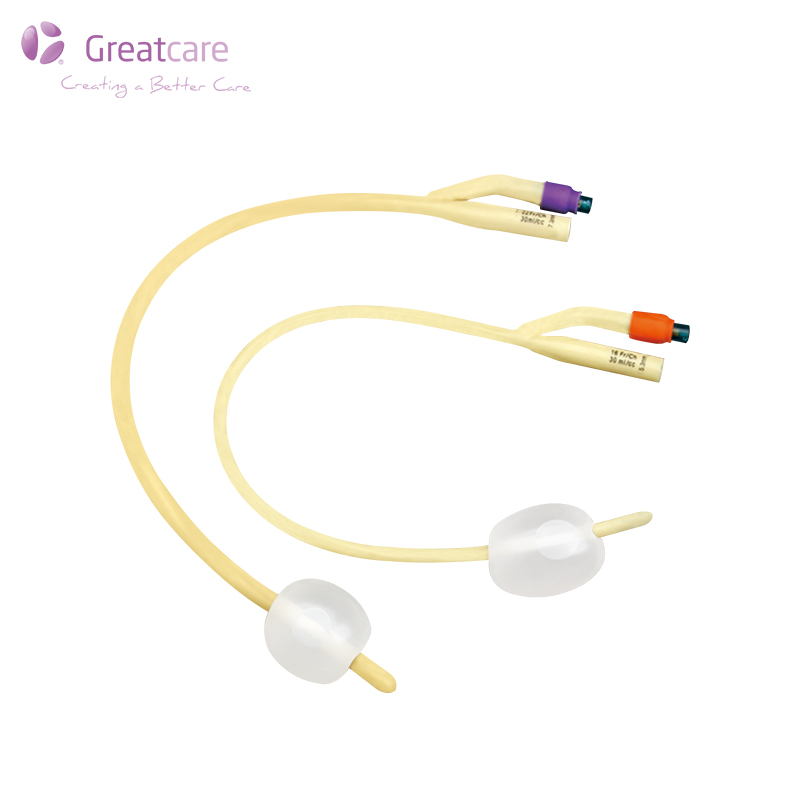
People often talk about urology products as if they were simple commodities, but anyone involved in purchasing knows that the stakes are higher. A poorly chosen item can increase nursing workload, lead to complaints, complicate storage, or create unnecessary discomfort for the patient. In busy care settings, even small design flaws become major operational problems when they are repeated across dozens or hundreds of cases.
The most common buying concerns usually come down to five practical questions. First, will the product perform reliably without creating avoidable trouble? Second, will it be comfortable enough for the intended period of use? Third, is it easy for staff to handle correctly under time pressure? Fourth, can the supplier provide stable specifications across repeat orders? Fifth, will the product presentation, packaging, and documentation meet the expectations of the local market?
These concerns are especially relevant in urology because urine drainage and collection products are tied to hygiene, dignity, observation, and comfort all at once. A device may appear acceptable on paper, yet still create friction in real-world use if the tubing kinks, the bag drains awkwardly, the scale is hard to read, or the material feels less patient-friendly than expected.
That is why the best purchasing decisions start with the actual pain points behind use:
Once those problems are clearly defined, it becomes much easier to choose the right combination of products instead of buying only on price.
Not every facility needs the same product mix, but several categories remain central across hospitals, outpatient settings, distributors, and home care channels. The purpose of each item is slightly different, which means buyers should match the product to the actual care situation rather than treat all urology supplies as interchangeable.
In the product direction associated with Ningbo GreatCare Trading Co., Ltd., the publicly visible urology range includes catheter-related products, urine bags, male external catheter options, and related accessories. That reflects a practical, care-oriented product structure because these categories cover the most common drainage and collection needs.
| Product Group | Main Use | What Buyers Usually Care About |
|---|---|---|
| Urology Catheters | Support urinary drainage when catheterization is required | Material softness, size options, smooth insertion, connection security, stable drainage |
| Urine Bags | Collect and store urine safely and conveniently | Leak resistance, clear graduation, drainage valve usability, anti-reflux features, portability |
| Urine Meter Systems | Help staff observe output more precisely | Readable scale, chamber visibility, secure setup, practical bag integration |
| Male External Catheters | Provide a non-invasive urine collection option for suitable users | Comfort, fit, secure adhesion or fixation, skin friendliness, ease of application |
| Accessories | Support connection, drainage control, hanging, and handling | Compatibility, convenience, durability, and smooth workflow integration |
Each category serves a distinct role. Catheters are closely linked to insertion and drainage performance. Urine bags affect convenience, visibility, and disposal workflow. Meter systems matter when output tracking is important. External collection products can be valuable when an invasive option is not preferred or not necessary. Accessories may seem secondary, yet they often determine whether the whole setup feels efficient or frustrating.
The smartest buyers look at the complete use chain rather than a single unit. A good drainage result depends on how well the catheter, tubing, collection system, valve, and connection points work together.
Quality evaluation works best when it goes beyond broad claims. What matters is whether the product design translates into confident daily use. Instead of asking only whether a supplier can provide a urology item, ask whether the item is well matched to your handling habits, market requirements, and user expectations.
Here are the most useful areas to examine before moving forward with a purchase:
Samples are especially important. Many product issues become obvious only when someone touches the bag material, tests the outlet valve, checks the tube flexibility, or reads the printed markings in person. What looks fine in a catalog can feel very different once a nurse, distributor, or procurement team member evaluates it hands-on.
A sensible buying process often includes sample review, packaging confirmation, specification sign-off, and discussion of labeling or private brand needs where relevant. That process helps avoid vague expectations on both sides and reduces friction later.
Useful checkpoint
If a product will be used in a setting where staff are under time pressure, ease of handling matters almost as much as technical fit. A product that is theoretically acceptable but awkward in practice can quietly increase errors, slowdowns, and dissatisfaction.
When several suppliers offer similar-looking urology supplies, side-by-side comparison becomes essential. Price matters, of course, but it should not be isolated from usability, consistency, communication, and total handling cost. The cheapest option on paper can become expensive once complaints, returns, delays, or staff resistance begin to appear.
| Comparison Point | Why It Matters | What to Check |
|---|---|---|
| Product Design | Directly influences handling and user experience | Tube flexibility, outlet design, markings, bag shape, connectors |
| Material Feel | Affects comfort and perceived quality | Softness, transparency, odor level, surface finish |
| Specification Range | Supports different market needs and care scenarios | Sizes, volumes, accessory options, packaging formats |
| Order Stability | Protects long-term purchasing efficiency | Batch consistency, lead time control, communication accuracy |
| Documentation Support | Helps buyers complete review and market preparation | Catalog details, labeling confirmation, technical information, response speed |
| Commercial Fit | Determines whether cooperation remains sustainable | MOQ, pricing logic, packaging support, customization possibilities |
For importers and distributors, commercial fit is especially important. They are not only buying a device; they are buying a supply relationship. That means they need confidence in lead times, product identity, and communication quality just as much as the physical product itself.
For clinics and institutional buyers, workflow efficiency often deserves more weight than headline price. A collection bag that drains cleanly, hangs securely, and reads clearly may save far more time than its unit cost difference suggests.

Good urology supplies do more than perform their basic task. They reduce friction. That is the real difference buyers notice after implementation. When a product fits naturally into routine care, staff spend less time troubleshooting and patients experience fewer awkward moments.
From a workflow perspective, the right products can help in several ways:
From the patient side, the experience is just as important. Urine management is a sensitive area of care. A product that feels bulky, hard, uncomfortable, or insecure can damage trust quickly. By contrast, a better-designed solution can support dignity and reduce stress in situations that already feel vulnerable.
This is why buyers should not underestimate details like softness, drainage smoothness, bag profile, secure fixation, and overall practicality. In many care settings, those details shape the user experience more than marketing claims ever will.
Even a strong product loses value if supply performance is unstable. In real purchasing environments, inconsistency causes far more disruption than many people expect. A delayed shipment can interrupt stock planning. A small packaging change can confuse distributors. A repeated communication gap can slow the whole review cycle.
That is why serious buyers tend to prefer suppliers who can combine product range with reliable cooperation. A company such as Ningbo GreatCare Trading Co., Ltd., whose public information shows a focused direction in medical consumables including urology-related categories, may appeal to buyers looking for category familiarity instead of fragmented sourcing.
Here is what consistency usually means in practice:
In other words, the best urology supply partner is not just someone who can quote a product. It is someone who can support the entire purchase cycle with clarity, consistency, and enough product understanding to prevent avoidable back-and-forth.
Choosing urology supplies is not simply a matter of filling a catalog line. Buyers are really choosing how smoothly drainage, observation, collection, and routine handling will work in daily care. The right product mix can improve comfort, support cleaner workflow, reduce avoidable friction, and give both professionals and end users more confidence.
That is why thoughtful evaluation matters. Instead of focusing on unit price alone, it is worth looking at usability, structure, material feel, product consistency, and supplier cooperation as one complete picture. Buyers who do this well usually end up with fewer surprises and stronger long-term results.
If you are looking for a dependable source of urology products backed by focused manufacturing direction, practical category coverage, and responsive cooperation, Ningbo GreatCare Trading Co., Ltd. is worth your attention. To discuss product details, request specifications, or explore a suitable supply solution for your market, contact us and let us help you find the right fit for your business.
Whether you are sourcing for hospital use, distribution, private label, or project procurement, the right product details can make a measurable difference. Contact us today to discuss your requirements, request more information, and build a smoother urology supply solution with Ningbo GreatCare Trading Co., Ltd..


